
FoodSaver 5380 vs FoodSaver 5480 – Detailed Comparison
In todays fast-paced world, keeping food fresh for extended periods is a common challenge. Vacuum sealers have become essential kitchen appliances that help preserve food by removing air and sealing in freshness. Among the popular choices in the market are the FoodSaver 5380 and FoodSaver 5480 models. Both devices promise to extend the shelf life of your food, but they come with distinct features that cater to different needs. This article will provide a thorough comparison of these two models to help you make an informed decision.
FoodSaver 5380

The FoodSaver 5380 is a well-designed vacuum sealing system known for its simplicity and efficiency. It offers an array of features tailored for everyday use, making it an ideal choice for both beginners and experienced users. Its compact design ensures that it fits comfortably on most kitchen counters, and its intuitive controls make operation straightforward.
FoodSaver 5480
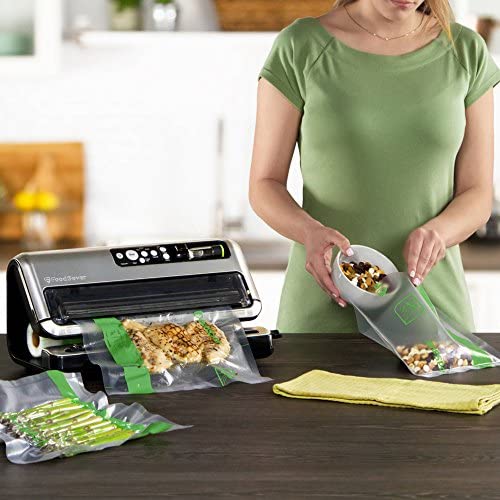
On the other hand, the FoodSaver 5480 is a more advanced model that caters to those who seek additional features and versatility. With its sleek design and enhanced capabilities, this model is perfect for individuals who require more than just basic vacuum sealing. It offers various sealing modes and additional functionalities that elevate the food preservation process.
Detailed Comparison Table
| Feature | FoodSaver 5380 | FoodSaver 5480 |
|---|---|---|
| Image | |
|
| Sealing Modes | Standard and Moist/Dry | Standard, Moist/Dry, and Pulse |
| Built-in Cutter | Yes | Yes |
| Marinate Mode | No | Yes |
| Roll Storage | Yes | Yes |
| Accessory Port | Yes | Yes |
| Dimensions | 16.3 x 9.2 x 4 inches | 17.6 x 9.3 x 6.2 inches |
Informative Explanation of Features and Specifications of Both Products
Both the FoodSaver 5380 and 5480 models are equipped with features designed to ensure food freshness. The FoodSaver 5380 is well-suited for general kitchen use with its standard and moist/dry sealing modes. These features allow users to adjust the vacuum strength based on the type of food they are sealing, ensuring optimal preservation. Additionally, the built-in cutter and roll storage compartment make it convenient for users to customize bag sizes without the need for additional tools.
The FoodSaver 5480, while sharing several features with the 5380, takes it up a notch with the inclusion of a pulse sealing mode and a marinate mode. The pulse mode offers controlled vacuuming, which is particularly useful for delicate items that might be crushed with regular sealing. The marinate mode is a standout feature, allowing users to infuse flavors into meats and vegetables in a fraction of the time it would typically take. Like the 5380, it also includes a built-in cutter and roll storage, maintaining convenience in use.
Both models come with an accessory port that can be used with vacuum canisters, bottle stoppers, and other attachments. This feature provides versatility, allowing users to vacuum seal a variety of items beyond just food bags. The dimensions of both models are compact enough to fit on most kitchen counters, though the 5480 is slightly larger due to its additional features.
Differences Between Products
While both the FoodSaver 5380 and 5480 models serve the primary purpose of vacuum sealing, they cater to different user needs through their distinct features. The primary differences lie in their sealing modes and additional functionalities. The FoodSaver 5480 offers more versatility with its pulse and marinate modes. These additional modes are particularly beneficial for users who frequently marinate food or work with fragile items that require gentle handling.
Another difference is the size and weight of the two models. The FoodSaver 5480 is slightly larger and heavier than the 5380, making it less suitable for kitchens with limited space. This difference in size is due to the additional features and functionalities packed into the 5480 model. Despite this, both models maintain a user-friendly design and are compatible with a range of FoodSaver accessories.
Furthermore, the price point of the 5480 is generally higher than that of the 5380, reflecting its advanced features. Consumers looking for a basic, cost-effective solution might find the 5380 more appealing. In contrast, those who require more from their vacuum sealer and are willing to invest a bit more may prefer the 5480.
Pros and Cons Section
FoodSaver 5380
**Pros:**
– User-friendly interface suitable for beginners
– Compact design fits well in most kitchen spaces
– Moist/Dry sealing modes provide flexibility
– Built-in cutter and roll storage enhance convenience
– More affordable than the 5480 model
**Cons:**
– Lacks advanced features like pulse and marinate modes
– Limited to standard sealing functions
FoodSaver 5480
**Pros:**
– Advanced features including pulse and marinate modes
– Ideal for users who marinate frequently
– Offers more control over the sealing process
– Compatible with a range of accessories
**Cons:**
– Larger size may not suit all kitchen spaces
– Higher price point may not be justified for all users
Performance Evaluation and User Experience
Performance and user experience are critical factors in evaluating any kitchen appliance. The FoodSaver 5380 performs admirably for standard vacuum sealing tasks. Users appreciate its straightforward design and ease of use. The device is quick to set up, and its sealing capabilities are reliable for everyday use. The moist/dry settings allow users to handle various types of food, ensuring that both dry goods and liquids are sealed efficiently.
In contrast, the FoodSaver 5480 delivers a more versatile performance. Users who frequently marinate meats or require precision sealing for delicate items find the pulse and marinate modes particularly beneficial. These additional modes provide a higher level of control and customization, enhancing the overall user experience. Despite its larger size, many users find the 5480s advanced features worth the extra counter space it occupies.
Feedback from users of both models indicates a high level of satisfaction with the durability and functionality of the devices. While some users prefer the simplicity and affordability of the 5380, others value the 5480s advanced features and are willing to invest in the premium price for added versatility. Overall, both models offer robust performance and have garnered positive reviews from their respective user bases.
Final Recommendation and Conclusion
Choosing between the FoodSaver 5380 and 5480 ultimately depends on individual needs and preferences. The FoodSaver 5380 is an excellent choice for users seeking a reliable, straightforward vacuum sealer at an affordable price. Its user-friendly design and essential features make it suitable for everyday kitchen tasks.
Conversely, the FoodSaver 5480 is ideal for those who require more from their vacuum sealer. Its advanced features, including pulse and marinate modes, provide greater versatility and control, making it suitable for users with specific food preservation needs.
In conclusion, both models offer exceptional value within their respective categories. The FoodSaver 5380 is perfect for those prioritizing simplicity and cost-effectiveness, while the FoodSaver 5480 is best for users seeking advanced features and flexibility in their vacuum sealing tasks. By considering your individual needs and budget, you can choose the model that best fits your lifestyle and food preservation requirements.


